What is the difference between a chemical tanker and an oil tanker?
SailrAI can make mistakes. Verify against official DGS/IMO sources.
The fundamental difference between a chemical tanker and an oil tanker lies in their structural design, cargo containment systems, and the regulatory frameworks governing their operation. Oil tankers are primarily designed for the bulk carriage of crude oil and refined petroleum products, regulated under MARPOL Annex I. In contrast, chemical tankers transport a diverse range of hazardous and noxious liquid substances (NLS), governed by MARPOL Annex II and the International Bulk Chemical (IBC) Code. Structurally, chemical tankers feature complex piping arrangements and specialized tank materials, such as stainless steel or advanced coatings (phenolic epoxy or zinc silicate), to ensure cargo purity and resist corrosion. They are classified as Type 1, 2, or 3 vessels based on the degree of hazard and required survivability. Oil tankers generally utilize coated mild steel and focus on large-volume carriage with double-hull protection as mandated by SOLAS. Operationally, chemical tankers require more rigorous tank cleaning and stripping procedures to meet stringent "wall-wash" standards. Under the STCW Convention and DGS guidelines, seafarers must hold specific advanced training endorsements for their respective vessel types. Furthermore, the ISM Code necessitates distinct Safety Management Systems (SMS) to mitigate the high toxicity and reactivity risks inherent in chemical operations compared to the primarily flammable risks of oil cargoes.
💡 Have real experience? Add your answer below ↓
💬 Community Answers(4)

The fundamental difference, bhai, lies in the cargo and subsequent vessel design, operations, and regulatory framework. Oil tankers, like the ones I sailed on with Great Eastern or SCI, primarily carry crude oil or refined petroleum products such as HFO, gasoline, or jet fuel. Their cargo systems are generally simpler, often just a single grade per tank. Chemical tankers, however, carry a vast array of hazardous liquid chemicals – acids, alkalis, solvents, vegetable oils, etc. This demands complex cargo segregations, specialized tank coatings (e.g., stainless steel or epoxy), dedicated pumps and lines for each tank, and sophisticated inert gas/venting systems. For example, carrying Methanol from Paradeep to Mundra requires very different precautions than crude from Saudi. DGS and MMD Mumbai/Chennai emphasize this heavily in our advanced courses. My practical tip: always double-check the P&A manual and cargo compatibility charts – mixing chemicals can have catastrophic consequences. Always refer to your ship-specific IBC Code certificate.
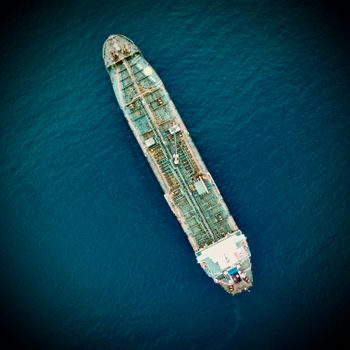
Having spent years in the engine room of both types, I can tell you the main difference comes down to complexity, cargo integrity, and sheer workload. On a standard oil tanker, whether a VLCC or a Product Tanker, you’re dealing with bulk cargoes like crude or diesel. The piping is straightforward, and we use mild steel tanks. But step onto a chemical tanker, and it's a whole different beast. You’re looking at stainless steel tanks or specialized phenolic coatings because the stuff we carry—like methanol, acids, or toluene—is highly corrosive and easily contaminated. From an engineering and deck perspective, chemical tankers are way more intense. You have independent deepwell pumps for every single tank to prevent cross-contamination, whereas oil tankers use a centralized pump room. I remember a grueling turnaround where we had to prep tanks for a food-grade cargo right after carrying aromatics. The wall wash test is brutal; even a microscopic trace of the previous cargo means failure. On oil tankers, crude oil washing is standard, but chemical tank cleaning requires specialized chemicals, freshwater washes, and sometimes steaming. Plus, the safety hazards on chemical boats are next-level. You aren't just worrying about flammability; you're dealing with toxic vapors and polymerization. If you want a quieter life, stick to oil.
Having spent years maintaining electrical systems on both, I can tell you the difference comes down to complexity and sheer variety. Think of an oil tanker as a heavy-lifter. You’re moving massive quantities of crude or product, usually using a centralized pump room. It’s brute force, keeping heavy fuel warm, and pushing it out fast. Chemical tankers, though, are precision instruments. We call them parcel tankers because you can carry twenty different highly toxic or reactive cargoes simultaneously, from acids to methanol. For an ETO, a chemical tanker is a different beast entirely. Instead of one big pump room, you have individual electric or hydraulic deepwell pumps for every single tank. The automation, gas detection, and tank monitoring systems are incredibly sophisticated. You’re constantly calibrating cargo temperature sensors and managing nitrogen generator systems for tank blanketing because one spark or temperature spike could be catastrophic. Tank cleaning is also a massive operation requiring specialized wash systems. On a crude oil tanker, life is generally more predictable. But if you want to really test your technical limits and see some of the most advanced engineering afloat, get yourself onto a chemical boat. Just be ready for the extra paperwork and sleepless nights.
Having stood watches on both, the difference comes down to complexity, tank coatings, and how much sleep you’re going to lose. On a crude or product oil tanker, you’re basically dealing with one or two grades of oil. It’s high volume, straightforward pumping, and standard MARPOL Annex I rules. Tank cleaning is usually just a hot water wash or crude oil washing. But step onto a chemical tanker, and it’s a whole different beast. We’re talking MARPOL Annex II, the IBC Code, and carrying twenty different, highly toxic parcels at once. Your tanks aren't just mild steel; they’re high-grade stainless steel or specialized phenolic epoxy to handle acids and aggressive solvents. The cargo operations are intense. As a mate, you’re constantly checking compatibility charts, monitoring specialized nitrogen purging, and worrying about polymerization. The biggest headache on chem-boats is tank cleaning. You don’t just rinse; you prep tanks for "wall-wash" standards where a surveyor literally wipes the tank bulkhead with acetone to test for microscopic impurities. If you want a quieter life with predictable routines, stick to oil tankers. But if you want to master the most complex cargo operations afloat, get yourself onto a chemical parcel tanker.
Sign in to add your answer or ask a follow-up question
Join Free to Answer →