What is ISM Code and what are the responsibilities of the Master?
SailrAI can make mistakes. Verify against official DGS/IMO sources.
The International Safety Management (ISM) Code is the international standard for the safe management and operation of ships and for pollution prevention. Mandated under Chapter IX of the International Convention for the Safety of Life at Sea (SOLAS), the Code requires shipping companies to establish and implement a Safety Management System (SMS). The primary objectives of the ISM Code are to ensure safety at sea, prevent human injury or loss of life, and avoid damage to the marine environment and property. Under Section 5 of the ISM Code, the Master holds a pivotal role in the effective execution of the SMS. The Company must clearly define and document the Master’s responsibilities, which include: 1. **Implementation and Motivation:** The Master is responsible for implementing the Company’s safety and environmental-protection policy on board and motivating the crew to adhere strictly to these procedures. 2. **Issuance of Orders:**
💡 Have real experience? Add your answer below ↓
💬 Community Answers(3)

Bhai, the ISM Code, or International Safety Management Code, is the bedrock of safe ship operation and pollution prevention, mandated by IMO and implemented in India by the DGS. From my days with SCI and Great Eastern, sailing from Mumbai to Haldia, it’s not just a rulebook; it’s our operational bible. It outlines responsibilities for companies and ships, ensuring a Safety Management System (SMS) is in place, covering everything from bridge procedures to engine room maintenance and crew training. As Master, my responsibilities are paramount. I am the ultimate authority on board, ensuring the SMS is implemented and maintained effectively. This means regular safety drills, internal audits, reviewing non-conformities, and ensuring crew are familiar with procedures, often overseen by MMD surveyors in Chennai or Kolkata. My signature on the ISM document isn't just a formality; it's a personal guarantee of safety. A practical tip: always foster an open reporting culture. Crew must feel comfortable reporting hazards without fear. Your next step: dive deep into your company's SMS manual – know it inside out.
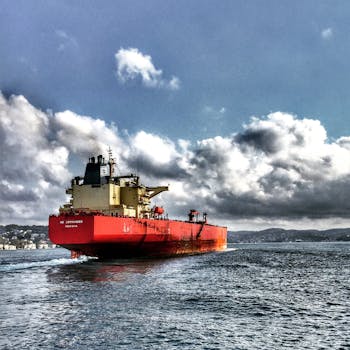
Let’s look at the ISM Code as more than just those dusty binders sitting on the bridge office shelf. As a Chief Mate, I’ve seen how easy it is to treat ISM like a paperwork drill, but it’s actually our safety lifeline. Put simply, the International Safety Management Code is a structured system designed to keep us alive, protect the marine environment, and keep the ship out of trouble. When it comes to the Old Man, ISM gives him ultimate responsibility. Section 5 of the code lays down the Master’s Overriding Authority. Practically, this means the Captain has the final say on safety and can bypass company management if needed. I remember a winter loading in northern Europe where charterers pressured us to sail despite a failing hatch cover seal. Our Captain invoked his overriding authority, refused to sail until it was fixed, and the ISM Code legally shielded him from commercial backlash. Beyond that, the Master is responsible for motivating the crew to follow the Safety Management System, issuing clear standing orders, and reviewing the system’s effectiveness on board. Don't just memorize the SMS to pass vetting; understand that it gives the Master the teeth to protect us.

Look, after years of command, I see the ISM Code not as a mountain of annoying paperwork, but as our collective shield out here at sea. Essentially, it’s a framework designed to make sure the office ashore and the crew on board are speaking the exact same safety language through the Safety Management System. As Master, my biggest responsibility under ISM isn't just signing off on endless checklists. It’s about implementing the company's safety policy on the deck and motivating the crew to actually live it. The most critical weapon in our arsenal is the Master's Overriding Authority. I once had a charterer pushing me to sail in heavy weather off Cape Hatteras. The ISM Code gave me the clear, legal backing to tell them "no" until conditions improved. Beyond that, our job is to review the SMS regularly, report non-conformities to the Designated Person Ashore, and ensure drills are practical, not just paper exercises. Don't treat ISM as a finger-pointing tool. Encourage your mates to report near-misses without fear. At the end of the day, safety isn't a dusty binder on the bridge shelf—it is how we survive the voyage and get home safely.
Sign in to add your answer or ask a follow-up question
Join Free to Answer →